Harshita Kamath
Telugu poetry, South Indian dance, and the questions students bring to both

Professor Harshita Kamath’s scholarship brings together literary texts, archival sources, fieldwork, and the song and performance traditions in the South Indian language of Telugu to explore the intersections of devotion, eroticism, gender, and performance in South India. MESAS celebrates her Faculty Fellowship at the Fox Center for Humanistic Inquiry. Recently, we spoke with her about her forthcoming book, recent fieldwork, and the ways her research and teaching inform one another, with students contributing questions and insights that shape her scholarship.
Research and fieldwork
Could you tell us a little about your current research and the projects you are working on at the moment?
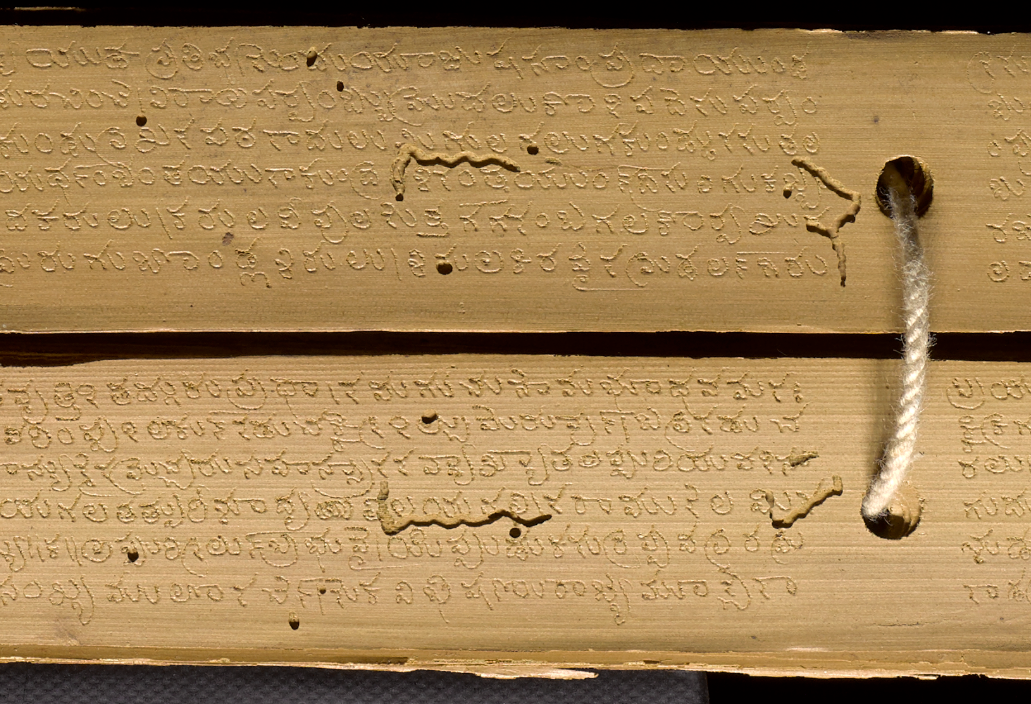
I am working on finalizing my monograph, Sanitizing the Erotic: Sex and Devotion in South India, which traces the relationship between eroticism (śṛṅgāra) and devotion (bhakti) in the short lyrical poems of the Telugu poets Tāḷḷapaka Annamayya (ca. fifteenth century) and Kṣetrayya (ca. seventeenth century). Drawing on unpublished manuscript sources, including copper plates in temple archives and handwritten songbooks of courtesan dancers, Sanitizing the Erotic tells the story of the śṛṅgāra and its sanitization through centuries of debate and reform.
Congratulations on your fellowship at the Fox Center for Humanistic Inquiry! How is your time at FCHI supporting or shaping your current research?
The Fox Center Faculty Fellowship has given me sustained research time to work on preparing my book for publication. Every Wednesday, the Fox Center Fellows meet to discuss a work in progress, and it has become the highlight of my week to exchange ideas in a room full of interdisciplinary scholars in the humanities.
What sparked your interest in Telugu poetry?
My interest in Telugu poetry comes from my engagement with Kuchipudi dance, in which many of the songs are composed in Telugu, as well as my maternal grandmother who had a particular interest in Telugu literature. During graduate school, I learned from Velcheru Narayana Rao, who is the leading scholar of Telugu poetry, and he shaped everything that I know today about Telugu literature and culture.
Is there a particular discovery, encounter, or memorable moment from your recent research journey that you would like to share?
In 2025, I traveled to coastal Andhra Pradesh in South India with dancer-scholar Dr. Yashoda Thakore. There, I met kalavantulu (courtesan) dancers Kotipalli Ratnambrulu and Guduri Ratnakumari who performed songs from their repertoire. The kalavantulu have been proscribed from performance due to colonial and post-colonial legal reform and virtually forgotten by most Indian dance communities today. Despite this history of erasure, Ratnambrulu and Ratnakumari were filled with joy and laughter, and watching them perform songs from their repertoire is an interaction that I will never forget.
Teaching and working with students
How does your research find its way into the courses you teach at Emory? Are there particular materials or sources from your scholarship that you especially enjoy bringing into the classroom?
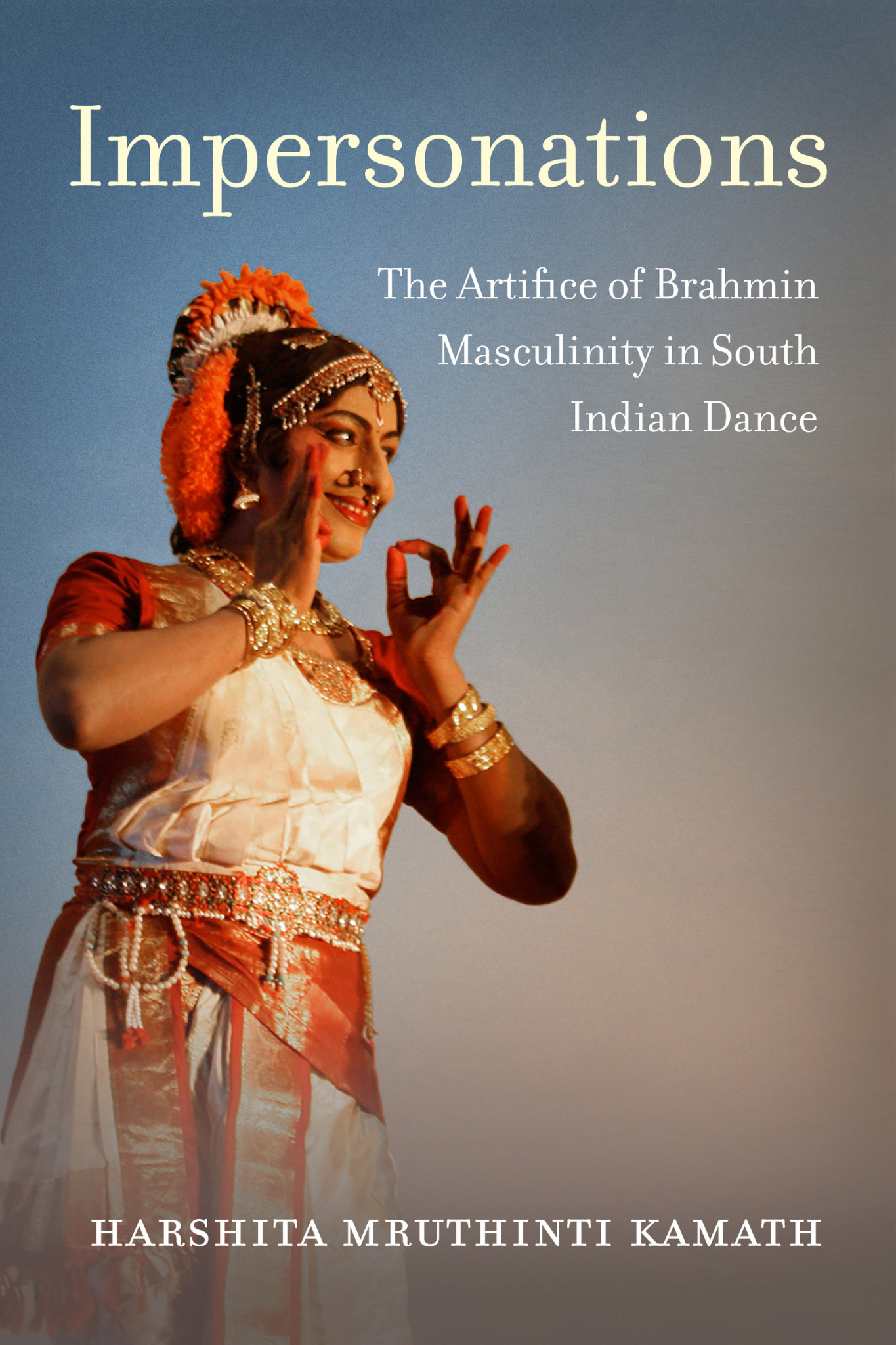
My research is directly related to my course, MESAS/DANC 334: Beyond Bollywood: Histories of Indian Dance, which I taught at Emory University in Spring 2023 and Fall 2024. The course critically traces these histories of Indian dance with a focus on the intersections of religion, caste, gender, and sexuality. In the course, I assign the short lyrical songs, known as padams, which are central to my next book. When I read translations of these songs with my students in Spring 2023, they pointed to the theme of consent, which I ended up integrating into the fifth chapter of my book and citing my students! I also talk about a version of this class in the Conclusion to my first book, Impersonations.
How did you first become interested in Indian dance?
I was first trained in the South Indian dance form of Bharatanatyam as a child and then switched to learning Kuchipudi in high school. My teacher, Sasikala Penumarthi, is an Artist Affiliate in Emory’s Dance Program, and I even took a course in Indian dance with her when I was an undergraduate at Emory. Now, many years later, I help her teach her younger students in her studio, and my daughter even learns from her. However, through my academic work, I have focused on critical histories of Indian dance, including its classicization, gender and caste dynamics, and the erasure of courtesan women from the dance repertoire.
Are there particular collections, archives, objects, or other resources at the Emory Libraries or the Michael C. Carlos Museum that have been especially valuable for your research or teaching?
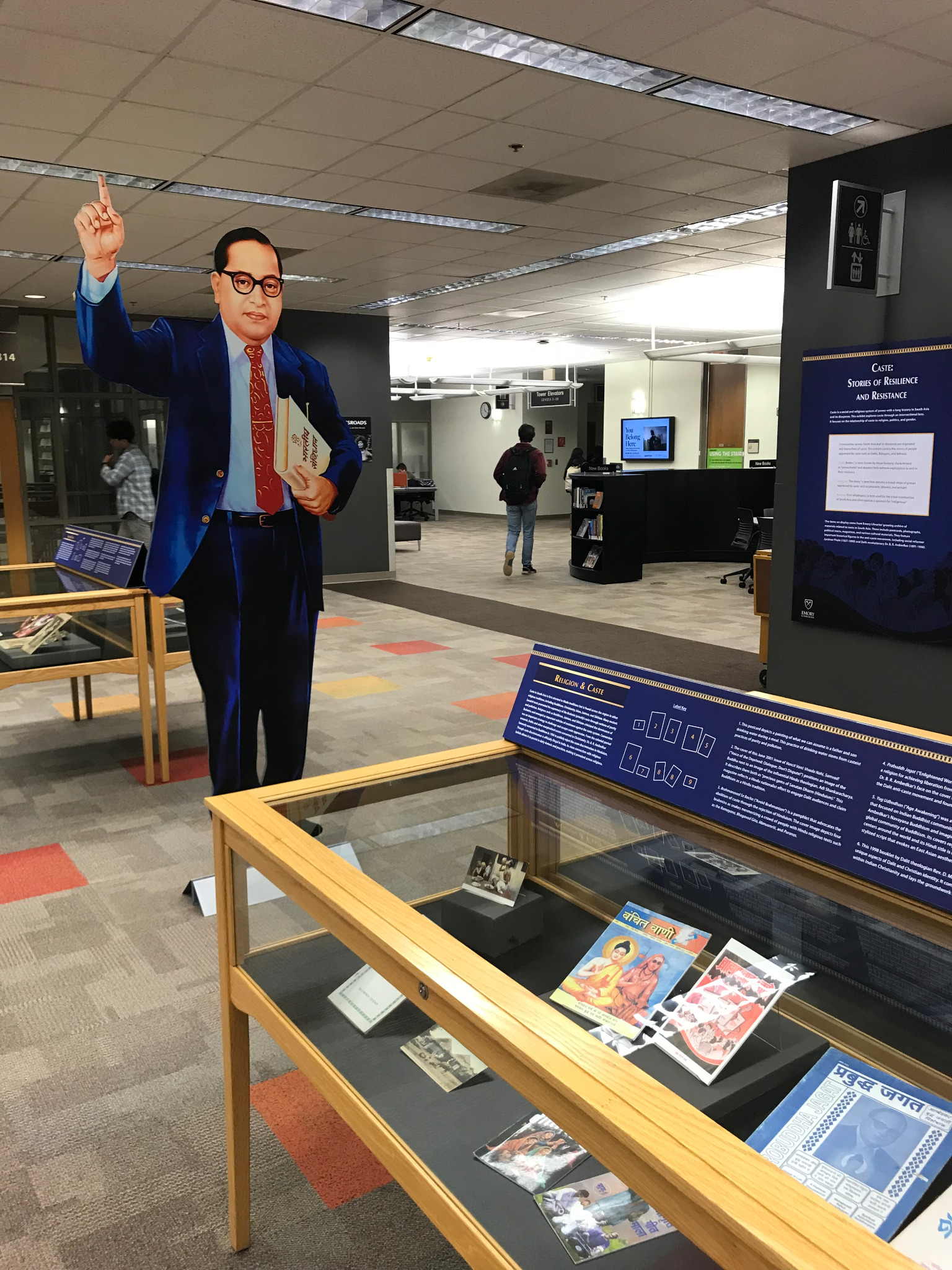
In Fall 2023, I taught the course, MESAS/WGS 378W: Caste. As the mid-semester assignment, the students in the course curated a library exhibit about caste in the Emory Woodruff Library in collaboration with Dr. Gautham Reddy, Emory Libraries South Asia and Religion librarian. The exhibit, which was near the circulation desk in Woodruff Library for two years, included items from Emory Libraries South Asia collection to highlight themes of gender, religion, politics, and caste. One part of the exhibit featured colonial postcards of various caste communities in India, and in the label for that part of the exhibit, we raised questions about representing indigenous people in colonized regions.
What do you find most rewarding about working with students in MESAS?
I have done a lot of experimental teaching with my students, particularly in my course MESAS/WGS 378W: Caste. In addition to the students designing a library exhibit, they conducted caste teach-ins for the Emory community, and conducted oral histories with the local Ambedkarite community. The students in this course have been eager to learn about a difficult topic like caste and prepared to engage the material deeply and respectfully. They have also been excited to work on their communication skills in new ways and interact with the broader South Asian community.
What advice would you offer students who are beginning to explore and develop their own research interests?
I think it is helpful for students to develop a research project in collaboration with a professor they have taken a course with and in relation to material they have been exposed to in class. Often times, we as professors cannot cover all the material on a given topic, so it is wonderful to see students take interest and ownership on topics they want to explore in depth through final research papers or honors theses.
Looking ahead and beyond campus
Looking ahead, what are you most excited about in your research or teaching over the coming year?
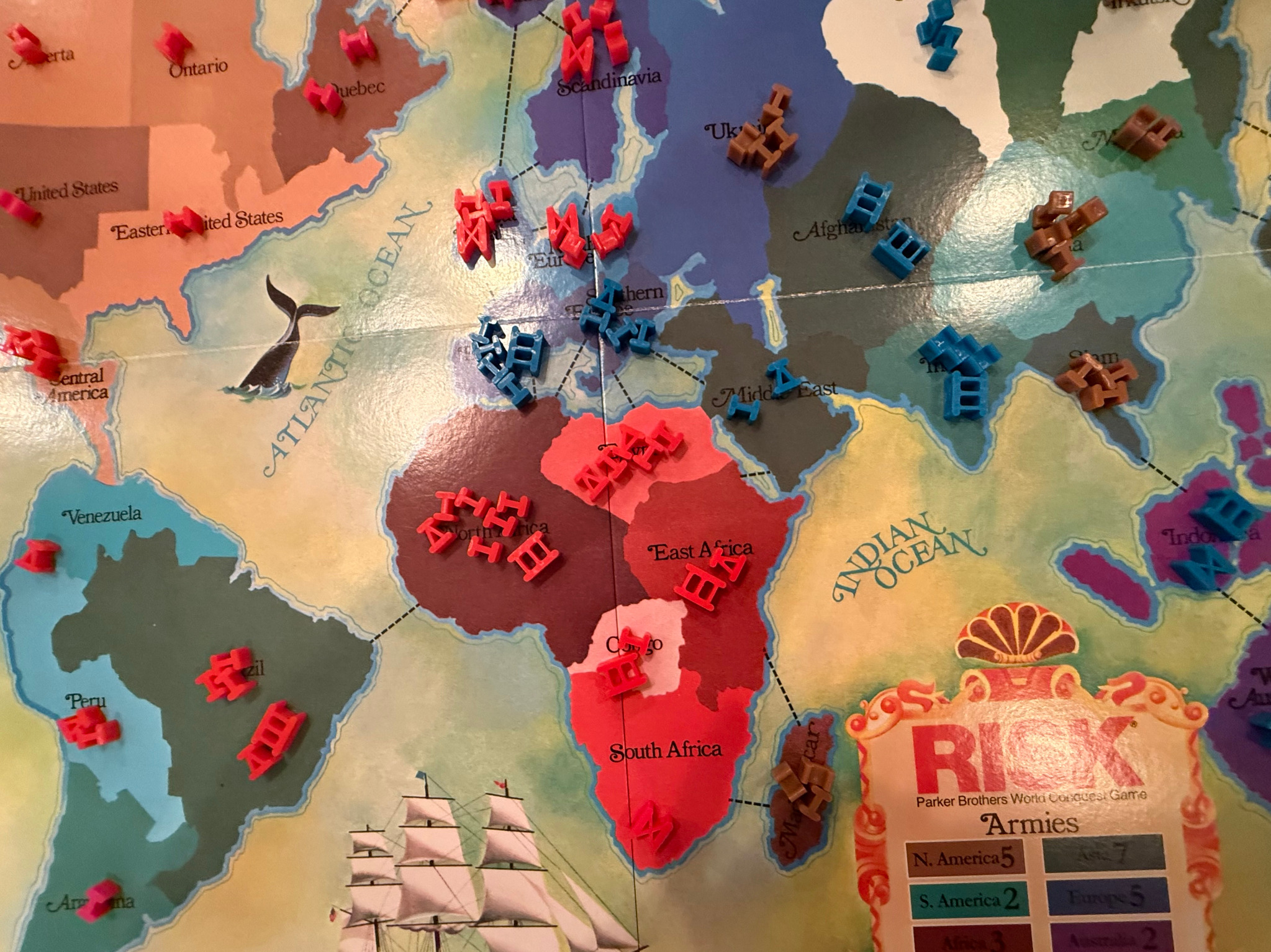
For next year, I am excited to have my book published and move on to new projects in collaboration with colleagues. I am also excited to get back to teaching in Fall 2027!
Beyond your research and teaching, what are some activities, interests, or hobbies that you enjoy?
I love spending time with my partner and my two kids! We love cooking, playing board games, and watching scary movies together. I also recently picked up running and cooking. I am training for a half-marathon, and I can finally cook a decent Indian meal for my parents!